
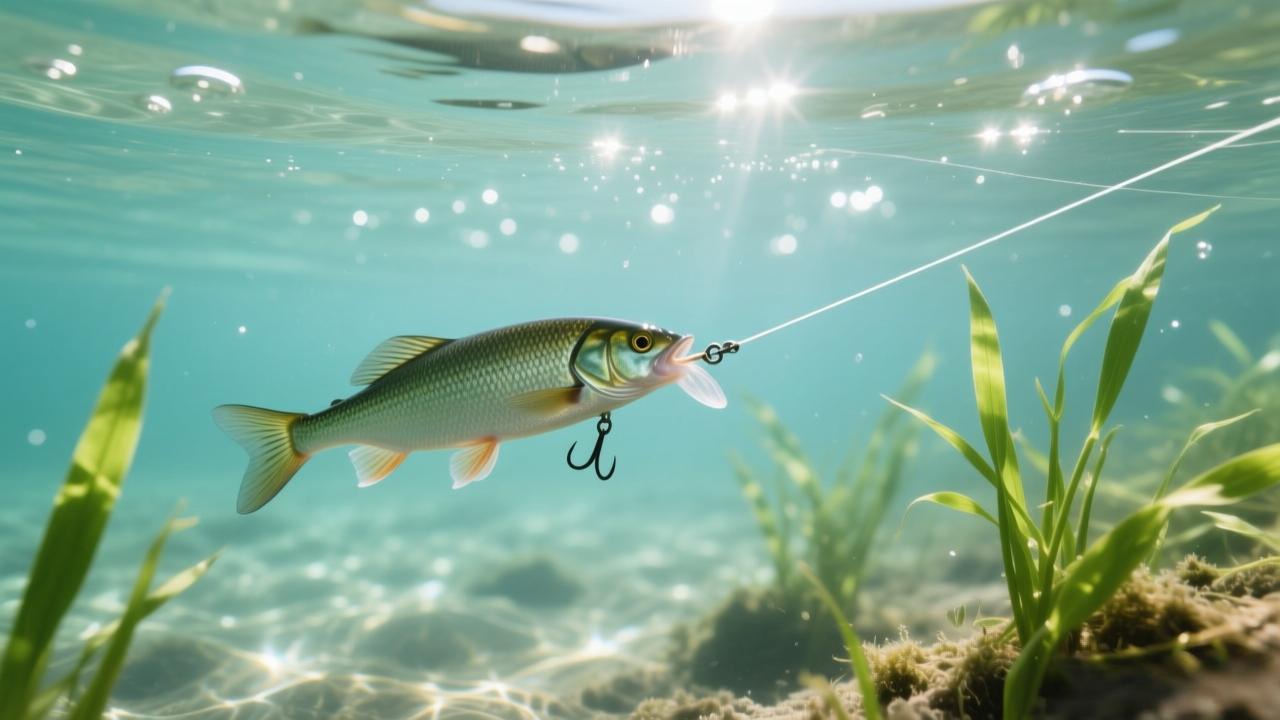
Best Swimbaits for Largemouth Bass
If you’ve been chasing bass for more than a couple of seasons, you know swimbaits aren’t just another lure—they’re a way to connect with the water. I still remember my first encounter with a 7-inch paddle tail swimbait: the lifelike movement, the weight, the way it slipped through the water—it felt like holding a live minnow. Over the years, I’ve learned that choosing the right swimbait can make the difference between a day of skunked casts and a bucket full of trophy bass.
But here’s the hard truth: not every swimbait works the same way. Water clarity, depth, cover, and even the time of day all play a role. A swimbait that crushes it in Lake Fork might flop in Lake Okeechobee. That’s why I’ve spent countless hours testing different styles, colors, and sizes to find the best options for every scenario.
Soft Plastic Swimbaits: Finesse and Flexibility
Soft plastic swimbaits are my bread and butter for finesse presentations. Their natural movement mimics baitfish almost perfectly, and they’re incredibly versatile. I use them when bass are being finicky or when I need to get precise in heavy cover.
I usually rig soft plastics on a weighted swimbait hook or use a swim jig. In clear water, subtle colors like bluegill or shad patterns work wonders. For murky water, darker hues like black or watermelon can trigger strikes from bass that wouldn’t touch other lures.
Hard Body Swimbaits: The Heavy Hitters
When I want to cover water quickly or target bigger bass, hard body swimbaits are my go-to. These lures often feature jointed sections, giving them a life-like swimming action even when retrieved fast. My personal favorite is the 6- to 8-inch magdraft style—they cut through the water with a natural roll that bass can’t resist.
One tip: when fishing around docks, fallen trees, or submerged brush, hard body swimbaits give you the distance and control you need without constantly snagging. Pair them with a medium-heavy rod and a braided line, and you can feel every subtle bump or strike.
Paddle Tail Swimbaits: Classic Bass Triggers
Paddle tails are classic for a reason—they work. I’ve used 5- to 7-inch versions extensively, and their tail action creates vibrations that bass detect from afar. For me, paddle tails are perfect for open water and mid-depth fishing.
During early morning or late evening, I often fish a white or chartreuse paddle tail on a slow retrieve. The slight wobble combined with the paddle’s water displacement can provoke aggressive strikes from bass lying in ambush.

Jerkbaits and Glide Baits: Precision Predators
Sometimes bass want a more deliberate presentation. That’s when jerkbaits and glide baits shine. They’re designed for a stop-and-go retrieve, mimicking injured baitfish. I like to twitch these lures near submerged points, weed lines, or drop-offs.
Glide baits are especially deadly for larger bass. Their side-to-side action covers water with minimal effort, and when a trophy bass hits, you feel it instantly. I usually match my retrieve to the conditions—slower in cold water, faster in warmer months.
Choosing Colors and Sizes
Color choice is just as critical as lure type. In clear water, natural patterns like shad, perch, or gizzard shad work best. In stained or muddy water, brighter colors like chartreuse, fire tiger, or watermelon pearl stand out. Size matters too: 3- to 5-inch swimbaits for pressured lakes, 6- to 8-inch for trophy bass or open water.
I always carry multiple colors and sizes in my tackle box. It’s not just about throwing a swimbait—it’s about matching the forage bass are feeding on that day.
Tips from the Bank: How I Fish Swimbaits
Over the years, I’ve learned some key habits that separate consistent anglers from weekend warriors:
- Adjust retrieve speed: Faster in warm water, slower in cold.
- Use a braided line with a fluorocarbon leader for better hook sets.
- Target structure: Bass love cover—weed edges, fallen trees, docks.
- Change lure size and color until you find what triggers bites.
- Be patient and read the water; bass often show subtle signs before striking.
I remember a spring morning at Lake Guntersville, tossing a 7-inch paddle tail. The water was murky, and bass were hesitant. Switching to a dark watermelon color and slowing my retrieve turned a frustrating morning into a five-bass haul over five pounds each.
Fishing swimbaits is more than just casting and reeling—it’s about understanding bass behavior, water conditions, and how to manipulate a lure to mimic life. Whether you’re chasing trophy largemouth or schooling smallmouth, mastering swimbaits elevates your game and makes every day on the water more rewarding.