Common Types of Fishing Lures Every Angler Should Know
If you’ve been around lure fishing long enough, you learn one simple truth:
there is no such thing as “the best lure,” only the right lure for the moment.
Water temperature changes. Fish moods change. Light, wind, pressure, season — they all play a role. And that’s exactly why lure fishing never gets boring. You’re not just casting and waiting. You’re reading water, reading fish, and making small decisions that add up.
Over the years, I’ve seen beginners overwhelmed by tackle boxes packed to the brim, and experienced anglers land fish with just a handful of trusted lures. The difference isn’t how many lures you own — it’s knowing what each type is meant to do.
Let’s walk through the most common types of fishing lures, the way an old angler would explain them — not from a catalog, but from time on the water.
Soft Plastic Lures

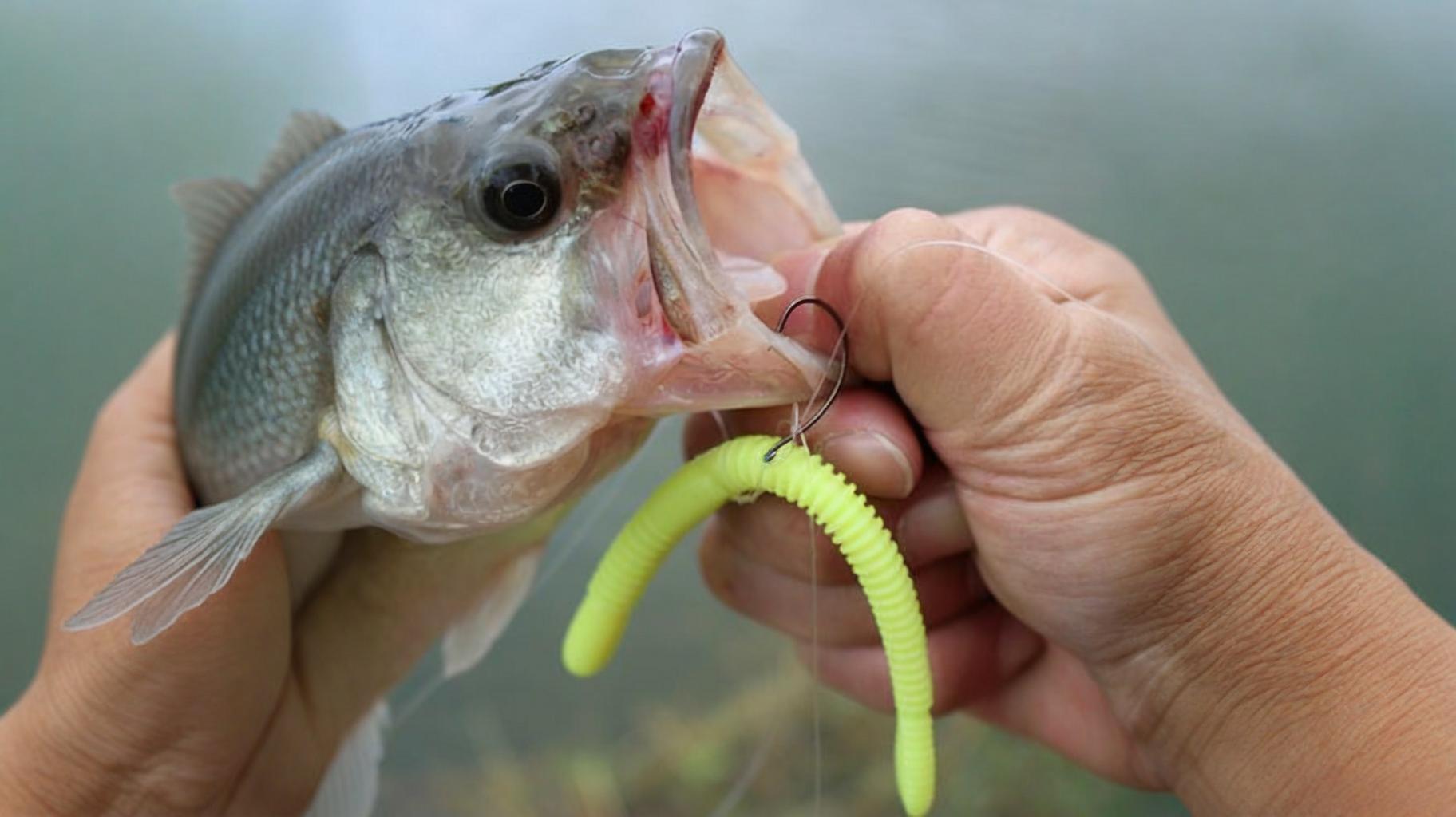
Soft plastics are where many lure anglers really start to understand fish behavior.
They don’t look flashy in the package. They don’t rattle or flash much. But in the water, when rigged right, they can look alive. That subtle movement is often what convinces pressured fish to bite.
Soft plastics come in many forms — worms, craws, creatures, grubs — but they all share the same strength: versatility.
You can fish them slow along the bottom, weightless near the surface, or deep with a jig head. When fish are cautious or heavily pressured, soft plastics often outfish everything else.
They reward patience. If you like feeling the bottom, sensing light taps, and setting the hook on instinct, soft plastics will always have a place in your box.
Crankbaits
Crankbaits are search tools. When you don’t know where the fish are, this is where you start.
They dive, wobble, deflect off rocks and wood, and trigger reaction strikes. A fish doesn’t always bite because it’s hungry — sometimes it bites because something just invaded its space.
Shallow crankbaits are great around cover. Medium and deep divers help you probe ledges, points, and drop-offs. The bill shape controls depth and action, but what really matters is contact. When a crankbait hits something and changes direction, that’s when strikes happen.
They’re not finesse lures. They’re about covering water and forcing decisions from fish.
Spinnerbaits
Spinnerbaits are old-school, and they still work for a reason.
Those spinning blades create flash and vibration that fish can feel from a distance. In dirty water, windy conditions, or low light, spinnerbaits shine — sometimes literally.
They come through grass and wood better than many hard baits, and they’re forgiving for beginners. Cast, retrieve, adjust speed, repeat.
What many anglers don’t realize is how flexible spinnerbaits are. Slow-roll them deep. Burn them shallow. Change blade shapes to match conditions. Simple lure, wide range of uses.
Jerkbaits
Jerkbaits teach timing.
These lures aren’t about constant movement. They’re about pause. Twitch, twitch… stop. And that stop is often when the bite happens.
In cooler water, when fish are sluggish, a suspending jerkbait can stay right in their face, almost daring them to strike. That’s why jerkbaits are deadly in spring and fall.
They take practice. Cadence matters. Too fast, and fish ignore it. Too slow, and you lose rhythm. But once you dial it in, jerkbaits can feel like cheating.
Topwater Lures
Nothing in fishing compares to a topwater strike.
It’s visual. It’s violent. And it never gets old.
Topwater lures come in many styles — poppers, walkers, frogs, buzzbaits — but they all fish on the surface, where mistakes are visible and heartbeats spike.
They work best in low light, calm mornings, evenings, or over heavy cover. You’re not just fishing for numbers here; you’re fishing for moments.
Topwater fishing teaches restraint. When a fish explodes on your lure, the hardest thing is waiting that extra half-second before setting the hook.
Jigs
If soft plastics are subtle, jigs are serious.
A jig represents crawfish, baitfish, or just “something edible” crawling along the bottom. They’re compact, heavy, and meant to be fished slowly.
Jigs shine when you’re targeting bigger, more experienced fish. They don’t give up bites easily, but when they do, it’s often the kind you remember.
Learning to fish jigs teaches you bottom structure, line watching, and confidence. Many anglers avoid them at first. Most seasoned anglers swear by them.
Spoons
Spoons are simple — a piece of metal with a hook — and they’ve been catching fish for generations.
Their fluttering action mimics injured baitfish, especially when jigged vertically or retrieved with pauses. They’re excellent for deep water, cold water, and vertical presentations.
Spoons don’t look fancy, but fish don’t care about fancy. They care about movement, flash, and opportunity.
Swimbaits
Swimbaits are about realism.
Some are soft, some are hard, some are small, some are massive. But they all aim to imitate the natural swimming motion of real baitfish.
Small swimbaits are great everyday lures. Large swimbaits are for patience and big fish dreams. You might go hours without a bite — but when it happens, it’s often worth the wait.
Swimbaits teach confidence and commitment. They’re not about quantity; they’re about quality.
Final Thoughts from the Water
A tackle box full of lures doesn’t make you a better angler. Understanding why you tie one on does.
Every lure type has a job. Some help you search. Some help you slow down. Some help you trigger reactions, others reward patience. The more time you spend fishing them — not just collecting them — the more intuitive those choices become.
If you’re new, don’t try to master everything at once. Pick a few types. Learn how they feel, how they move, and when they fail. Because every missed bite teaches you something too.
That’s lure fishing. And that’s why many of us never stop coming back.