Fishing Techniques That Actually Work: Lessons Learned on the Water
Fishing techniques are often talked about as if they’re fixed rules—cast here, retrieve like this, change lures when it doesn’t work. But anyone who’s spent real time on the water knows the truth is quieter and more personal. Technique isn’t something you memorize. It’s something you slowly develop through missed strikes, unexpected hookups, and long stretches where nothing happens at all.
Most anglers don’t fail because they chose the wrong lure. They fail because they apply the right lure with the wrong mindset.
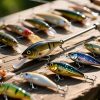
This is especially true when fishing with artificial lures. Unlike live bait, lures don’t forgive impatience or poor presentation. They demand attention to detail: how fast you retrieve, where you pause, how your line feels when it drifts just a little too freely. Over time, good technique becomes less about control and more about listening—to the rod, the water, and the fish.
One of the most overlooked fishing techniques is simply learning how to read water before you ever cast. Beginners often focus on distance, trying to reach the far bank or the deepest part of a lake. Experienced anglers look for subtler clues: a change in current speed, a line of foam on the surface, the shadow created by an overhanging branch. These features don’t just hold fish—they influence how fish position themselves and how they expect prey to move.
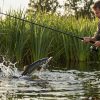
When fishing rivers or streams with lures, technique starts upstream of the cast. Casting slightly above the target and allowing the lure to drift naturally with the current creates a presentation that feels alive. Many strikes happen not during the retrieve, but during that brief moment when the lure swings and hesitates. That pause mimics vulnerability, and vulnerable prey is what fish respond to most instinctively.
Retrieve speed is another area where technique evolves with experience. There’s a temptation to keep moving, to assume that action attracts attention. In reality, some of the most effective lure fishing techniques involve doing less. Slowing down, adding irregular pauses, or letting the lure sink longer than feels comfortable often produces better results—especially in pressured waters where fish have seen every fast-moving bait imaginable.
This is particularly true when targeting species like bass, trout, or pike in clear water. These fish are not reckless. They observe. A steady retrieve can feel unnatural, while an inconsistent one—slightly off, slightly flawed—triggers curiosity and eventually a strike. Learning when to hesitate, when to twitch, and when to simply let the lure fall is a skill built through trial, not theory.
Another important technique many anglers learn the hard way is line control. It’s easy to focus on the lure and forget what the line is doing. But subtle changes in line tension often signal more than the rod tip ever will. A sudden slack line, a faint tick, or resistance that doesn’t feel like structure can all indicate a fish testing the bait.
In cold water conditions, especially, fish strikes are often soft and tentative. Aggressive hooksets can pull the lure away too early. Experienced anglers adjust their technique by waiting just a fraction longer, allowing the fish to turn with the lure before setting the hook. This small delay, uncomfortable at first, dramatically improves hookup ratios over time.
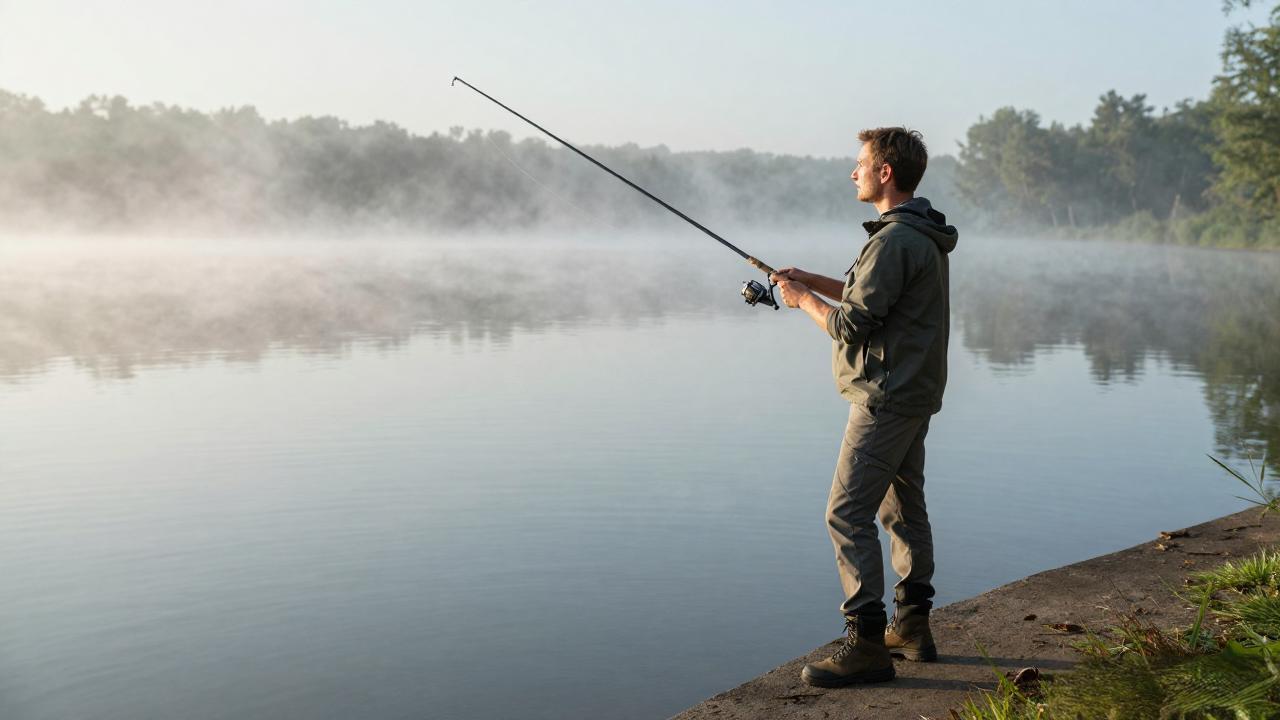
Fishing techniques also change with environment. What works on a quiet pond at dawn may fail completely on a windy reservoir by noon. Wind, in particular, is often viewed as an obstacle, but it can be a powerful ally. Wind pushes baitfish, oxygenates surface layers, and breaks up light penetration. Adjusting your casting angle and lure choice to work with the wind rather than against it opens up water that many anglers ignore.
Boat position and casting direction are technical decisions that separate casual fishing from intentional fishing. Casting parallel to shorelines, weed edges, or drop-offs keeps the lure in the strike zone longer. This is especially effective when using hard baits or crankbaits designed to deflect off structure. Each deflection changes the lure’s behavior slightly, often provoking reaction strikes.
Topwater fishing techniques deserve special mention because they teach patience better than any other style. Few experiences match the excitement of a surface strike, but reacting too quickly ruins more hookups than any other mistake. When a fish explodes on a topwater lure, the instinct is to set the hook immediately. Seasoned anglers wait until they feel weight on the line. That pause—often just a second—makes all the difference.
Seasonal changes also influence technique in subtle ways. In warmer months, fish are often more willing to chase, allowing for faster retrieves and more aggressive presentations. As water temperatures drop, metabolism slows. Techniques shift toward bottom-oriented lures, slower movements, and more deliberate presentations. Understanding this seasonal rhythm prevents frustration and helps anglers adjust expectations rather than blaming their gear.
One of the most valuable fishing techniques isn’t something you see discussed online very often: knowing when to stop casting. Constant casting without reflection can be counterproductive. Taking a moment to watch the water, notice insect activity, or even feel the wind direction can lead to better decisions than any lure change. Sometimes the technique isn’t about doing more—it’s about paying closer attention.
Real improvement happens when anglers stop chasing “magic lures” and start refining how they fish the ones they already trust. Confidence in a lure allows you to experiment with retrieve speed, depth, and angle without second-guessing every cast. Over time, that confidence turns into intuition, and intuition is what separates experienced anglers from those who rely on luck.
Fishing techniques are not static skills you master once. They evolve as you fish new waters, target different species, and learn from days when nothing seems to work. Those quiet, difficult days often teach more than easy ones. They force you to slow down, question habits, and adapt.
In the end, technique is less about perfection and more about awareness. The best anglers aren’t the ones who follow rules rigidly, but those who respond thoughtfully to what the water is offering at that moment. When you approach fishing with patience and curiosity, every cast becomes part of a conversation—one that rewards those willing to listen.