Paddle Tail Swimbaits for Walleye: How I Fish Them in Cold Water, Current, and Open Flats
If you spend enough time chasing walleye, you eventually realize something: not all swimbaits are created equal. I learned that lesson the hard way on a windswept reservoir in early April, when the water temperature was barely touching the mid-40s and the fish were glued to the bottom.
I had a box full of generic soft plastics, but what finally turned the day around was a simple paddle tail swimbait matched to the right jig head and fished with patience. Since then, paddle tail swimbaits for walleye have become one of my most reliable tools—especially in cold water, moderate current, and open flats where subtle action outperforms flash.
This isn’t theory. It’s what I’ve learned from long days on northern natural lakes, tailraces below dams, and sprawling midwestern reservoirs where walleye behavior changes by the hour.
Why Paddle Tail Swimbaits Work So Well for Walleye
Walleye are built to track vibration. Their lateral line is incredibly sensitive, especially in stained water or low-light conditions. A well-designed paddle tail swimbait produces a steady thump without looking unnatural. That balance matters.
Too much tail kick in cold water can actually turn fish off. Too little action in dirty water and they won’t find it. A moderate paddle tail gives off just enough vibration while maintaining a natural baitfish profile.
When anglers ask me where to start with swimbaits, I usually point them to paddle tails first. If you want a broader breakdown of sizes, seasonal timing, and body styles, I covered that in detail here: Best Swimbaits for Walleye: Size, Action, and When to Use Them. That guide lays the foundation. What we’re focusing on here is dialing in paddle tails specifically.
Best Paddle Tail Swimbait Sizes for Walleye
Through trial and error, I’ve narrowed my core sizes down to three:
- 2.8 to 3.3 inches – Cold water, pressured fish, early spring
- 3.5 to 4 inches – The everyday producer
- 4.5 inches – Bigger profiles for aggressive summer fish
In early spring, when water temps are below 50°F, I lean heavily on the smaller profiles. The bite is often subtle. Fish aren’t chasing. A compact paddle tail paired with a light jig head lets me maintain bottom contact without overpowering the presentation.
Once water temps climb into the 60s, I’m not afraid to upsize. Bigger paddle tails push more water, which helps fish locate the bait in wind-blown conditions.
Matching Jig Head Weight to Conditions
This is where many anglers go wrong.
The paddle tail might be perfect, but if your jig head is too heavy, it kills the natural swimming action. Too light, and you lose bottom contact—which is critical for walleye most of the year.
Here’s how I break it down:
- 1/8 oz – Shallow flats under 10 feet, minimal wind
- 1/4 oz – 10–20 feet, moderate drift
- 3/8 oz and up – Strong current or deeper structure
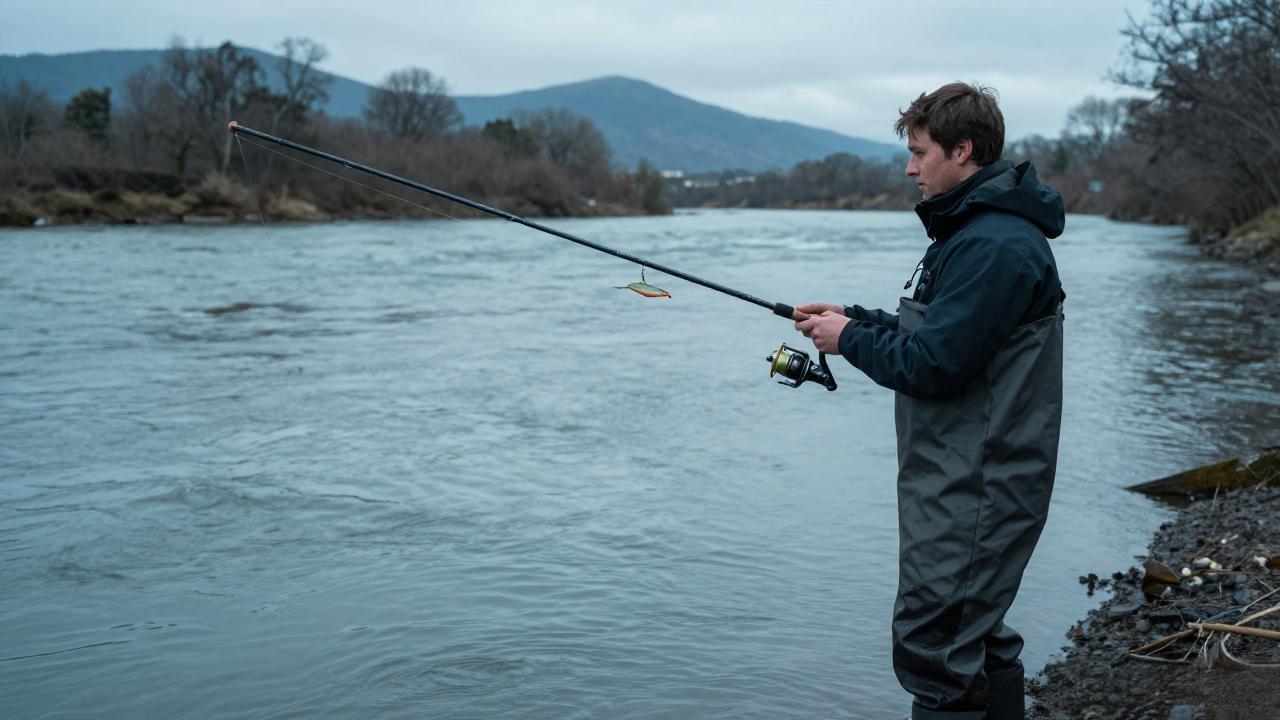
In rivers, especially below dams, current dictates everything. I’d rather go slightly heavier and maintain control than let the bait wash unnaturally through the strike zone.
Retrieve Styles That Consistently Trigger Bites
1. Slow Lift-and-Glide
This is my cold-water confidence retrieve. Cast out, let it hit bottom, lift gently with the rod tip, then follow it down on semi-slack line. Most bites happen on the fall.
2. Steady Bottom Swim
In summer, when fish are more active, a steady retrieve just fast enough to tick bottom works incredibly well. The paddle tail does the work.
3. Snap and Drop (River Technique)
In current, a sharper upward snap followed by controlled slack mimics a wounded baitfish getting swept downstream. This approach has saved more slow river days than I can count.
Best Colors for Paddle Tail Swimbaits
I keep my color selection simple. Walleye aren’t as color-driven as bass, but contrast matters.
- Natural shad / smelt tones – Clear water
- Pearl or white – Versatile, works almost anywhere
- Chartreuse accents – Stained water
- Motor oil or green pumpkin – When fish are pressured
If I’m unsure, I start natural. If I’m not getting bit within 20–30 minutes in an area I know holds fish, I switch to something with more contrast.
Where Paddle Tails Shine Most
Wind-Blown Flats
Wind positions bait. Bait positions walleye. A paddle tail retrieved across a wind-driven flat is one of the most consistent patterns I rely on in late spring.
Rocky Points
Dragging or hopping a paddle tail across chunk rock keeps the bait in the strike zone longer than a crankbait would.
River Seams
In moderate current seams, paddle tails offer control and realism. I can adjust weight and retrieve to match the flow.

Common Mistakes I See Anglers Make
Fishing too fast. Especially in water under 55°F. Slow down more than you think you need to.
Ignoring line choice. I prefer braided mainline with a fluorocarbon leader. Sensitivity matters when bites feel like added weight.
Overworking the bait. Paddle tails are designed to swim. Let them.
Cold Water Paddle Tail Strategy (Early Season Focus)
When water temps hover in the 40s, my approach becomes deliberate:
- Downsize profile
- Lighten jig weight
- Long pauses between lifts
- Focus on transition areas (mud to rock, sand to gravel)
Many of my biggest early-season walleye have come on subtle presentations where the bait barely left bottom.
Summer Adjustments
Once fish slide deeper or suspend near structure, I’ll experiment with slightly larger paddle tails and heavier heads. Sometimes I even count the bait down and slow-roll it just off bottom along drop-offs.
But even in summer, control is everything. I’m not ripping it like a bass angler. I’m maintaining a steady, natural swim.
Confidence Comes from Time on the Water
I don’t believe in magic lures. I believe in understanding why something works.
Paddle tail swimbaits for walleye work because they combine vibration, realism, and control. When matched correctly to water temperature, depth, and current, they become one of the most adaptable tools in your box.
If you’re building your swimbait system from the ground up, start by understanding profile, seasonal behavior, and action types. Then narrow down to paddle tails and dial them in. That broader strategy is exactly why I put together this in-depth guide: Best Swimbaits for Walleye: Size, Action, and When to Use Them.
The more you fish them, the more you’ll realize something: paddle tails aren’t flashy. They’re consistent. And in walleye fishing, consistency beats hype every time.