What Lures Work Best for Snakehead Fishing: Proven Choices from Real Anglers
If you spend enough time chasing snakehead with a rod and a box of lures, you eventually learn a hard truth: there is no single “best” lure for snakehead. What works is always tied to water conditions, cover, season, and how aggressive the fish are on that particular day. Snakehead are ambush predators, territorial by nature, and extremely sensitive to vibration and surface disturbance. Choosing the right lure is less about following a list and more about understanding why a certain lure triggers a strike.
Below are the lure types that experienced snakehead anglers actually rely on. This isn’t a generic lure roundup. These are baits that have proven themselves on real water, in real snakehead situations.
Topwater Frog Lures
If you only carried one lure for snakehead fishing, it would be a topwater frog. This isn’t hype. Snakehead are built for explosive surface attacks, especially in shallow water with heavy vegetation.
A good frog lure does three things well. First, it floats high and stays above weeds, lily pads, and grass mats. Second, it creates subtle water disturbance when twitched, not loud splashes that scare cautious fish. Third, it has a soft body that collapses easily, exposing the hooks when a snakehead strikes.
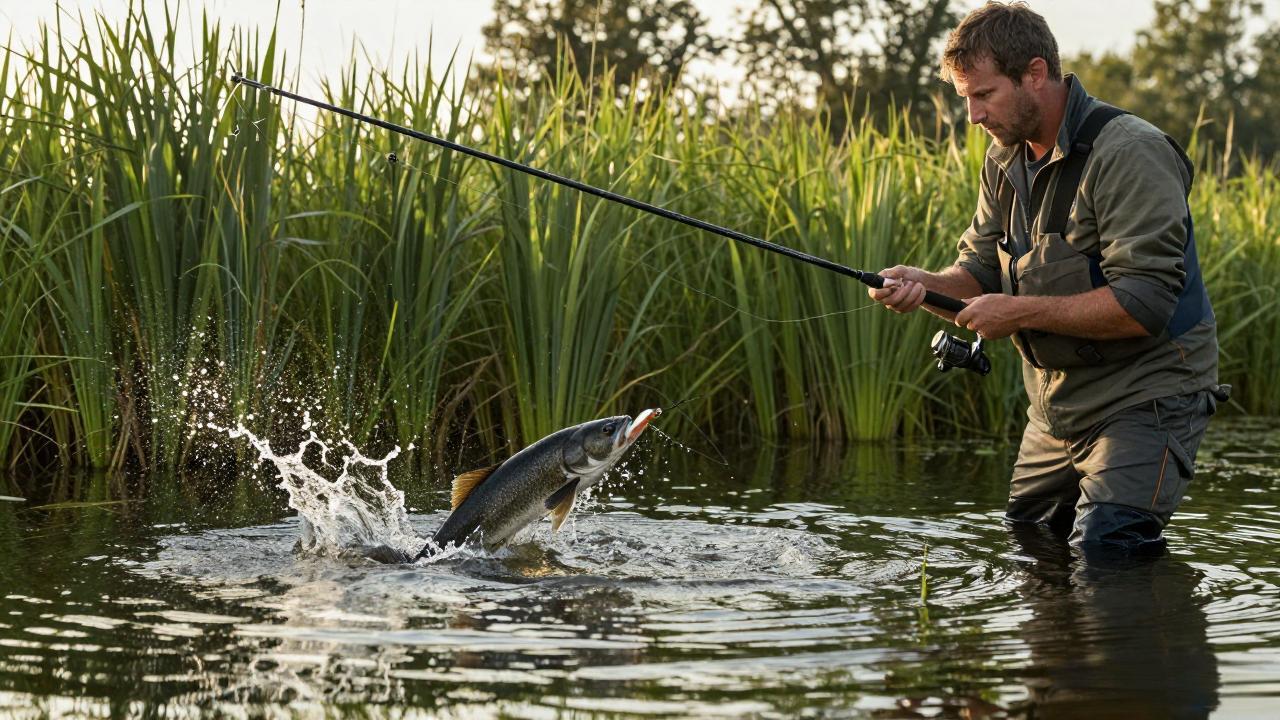
Use frog lures early in the morning, late afternoon, and anytime you’re fishing shallow cover. Cast directly onto vegetation and slowly work the frog back into open pockets. Many strikes happen the moment the frog slides off a weed mat into open water. Don’t rush the hookset. Snakehead often strike to stun first, then turn back to eat. Wait until you feel solid weight before driving the hooks home.
Color choice matters less than action, but natural greens and dark tones work best in clear water, while black frogs shine in low light or muddy conditions.
Soft Plastic Creature Baits
Soft plastic creature baits are deadly when snakehead are holding tight to cover but not actively feeding on the surface. These lures imitate frogs, small fish, or injured prey without creating excessive noise.
Rig them weedless on a strong offset hook, Texas-style. This allows you to punch through reeds, submerged grass, and shallow timber without constant snagging. Slow presentations work best. Let the lure sink, twitch it once or twice, then let it rest. Snakehead often strike during the pause.
Creature baits are especially effective in pressured waters where fish have seen too many topwater frogs. Downsizing slightly and using a natural color can make a huge difference when the bite is tough.
Buzzbaits
Buzzbaits are a high-percentage lure when snakehead are aggressive. The rotating blade creates surface vibration that snakehead can detect from a distance, triggering territorial strikes.
This lure excels in warm water when snakehead are actively guarding territory or feeding near the surface. Cast parallel to the shoreline or along weed edges and retrieve at a steady pace, just fast enough to keep the blade churning.
Buzzbaits shine in slightly stained water where visual lures lose effectiveness. The vibration does the work. Use sturdy hooks and a strong rod, because snakehead strikes on buzzbaits are violent and unforgiving.
Spinnerbaits
Spinnerbaits don’t get talked about enough in snakehead fishing, but they absolutely deserve a place in your tackle box. When snakehead move slightly deeper or patrol open water near cover, spinnerbaits excel.
The flashing blades mimic baitfish and create vibration without staying strictly on the surface. This makes spinnerbaits a good choice when topwater bites slow down but fish are still active.
Slow-roll a spinnerbait along submerged vegetation or through open channels. A sudden stop followed by a short burst often triggers reaction strikes. Use heavier wire models, as snakehead are powerful fish that will bend cheap hardware.
Swimbaits
Soft swimbaits work well when snakehead are feeding on small fish rather than frogs. These lures provide a natural swimming action that appeals to larger, more cautious fish.
Choose paddle-tail swimbaits and rig them weedless if fishing cover-heavy areas. Retrieve steadily, keeping the bait just above the fish. Swimbaits are especially effective in clearer water where snakehead rely more on sight than vibration.
They are also a great follow-up lure. If a snakehead blows up on a frog and misses, casting a swimbait back into the area often results in a second, more committed strike.
Poppers and Surface Walkers
While frogs dominate snakehead topwater fishing, poppers and surface walkers have their place. These lures create distinct surface noise and movement that can provoke reaction strikes when fish are actively hunting.
Poppers work best in open pockets between vegetation or along the edges of weed lines. A short, sharp pop followed by a pause mimics struggling prey. Surface walkers require more skill but can cover water efficiently when snakehead are spread out.
These lures are most effective during low-light conditions or overcast days when snakehead feel more comfortable feeding near the surface.
Jigs
Heavy jigs paired with soft plastic trailers are an underrated option for snakehead. When fish retreat into thicker cover or refuse moving baits, a jig presented slowly can trigger bites.
Flip or pitch the jig into cover and let it fall naturally. Most strikes happen on the drop. Use a stout rod and heavy line, as snakehead will immediately try to bury themselves in vegetation.
Jigs excel in cooler water or during post-spawn periods when fish become less aggressive.
Matching Lure Choice to Conditions
Successful snakehead fishing isn’t about owning every lure. It’s about reading the water. In thick vegetation and shallow water, frogs and weedless plastics dominate. In open or semi-open water, spinnerbaits and swimbaits shine. When fish are aggressive, buzzbaits and poppers excel. When they’re pressured or inactive, slow presentations like jigs and creature baits become critical.
Snakehead are smart, resilient fish. They adapt quickly to pressure and environmental changes. Rotating lure styles, adjusting retrieve speed, and paying attention to how fish react will consistently outproduce blind lure selection.
Final Thoughts
Snakehead fishing rewards anglers who think like hunters rather than lure collectors. Every lure mentioned above has earned its place through real-world effectiveness, not marketing claims. Start with a solid topwater frog, add a few complementary lures for different conditions, and focus on presentation over variety.
In the end, the right lure is the one that matches the moment. Understanding when and why to use each lure type is what separates consistent snakehead anglers from those who only catch them occasionally.